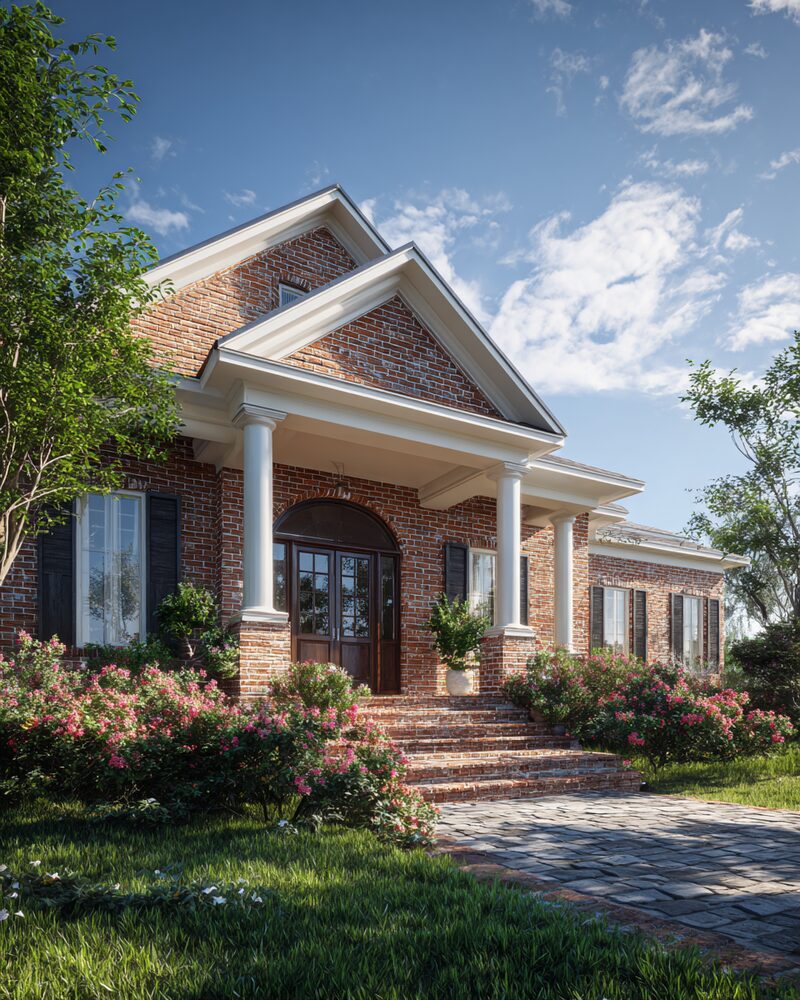
Banks County real estate blends rural character with practical concerns that matter to modern buyers and sellers. Whether you are searching for land, a farmhouse, or a family home near local schools and green space, knowing which details drive marketability and long term value will give you a clear advantage. This guide focuses on the features and decisions that matter right now and will continue to matter for years to come in Banks County GA.
Start with the foundation items every buyer and seller should know. For buyers this means verifying access, utilities, and condition. For sellers this means making those facts clear and removing surprises that slow a sale. Key items include property boundaries and surveys, road maintenance agreements, right of way or easement issues, and whether a home is on a private well and septic system or connected to public utilities. These details affect financing options, inspection priorities, and buyer confidence.
Rural systems are not optional extras in Banks County they are transaction essentials. Lenders and appraisers want to see properly permitted septic, well logs or tests, and proof of water quality when applicable. Buyers should order a septic inspection and a well flow and water quality test. Sellers who provide these reports up front reduce friction and can often command better offers. Mentioning clear documentation in listings can boost showings and search rankings for long tail queries like Banks County septic inspected homes or homes with well water reports.
Lot characteristics shape both lifestyle and resale value. Acreage, timber, slope, and creek frontage each have pros and cons. Properties with buildable clearings, established fencing, or usable outbuildings appeal to hobby farmers and buyers seeking immediate usability. At the same time, steep slopes, wetlands, or conservation restrictions reduce buildable area and can limit future plans. Good listing copy highlights usable acreage, while buyer due diligence confirms setbacks and permitted uses with county planning.
Road and year round access matters more than many buyers expect. Paved access, private drive maintenance agreements, and snow or mud season accessibility influence insurance costs, emergency response times, and everyday comfort. Sellers who invest in a stable driveway surface and clear signage will improve both curb appeal and perceived value.
Modern buyers want connectivity. Broadband or reliable cell service is now a search criterion for many relocating to rural Counties. Sellers who know local internet options and speeds, or who have upgraded connectivity, should put that information in their listing text. Buyers shopping online often filter searches for properties with good internet; including this detail improves search visibility and conversion.
School districts, commute times, and proximity to grocery, medical, and regional employment centers are still major search drivers. In Banks County, clearly explain what commuting looks like to nearby metro areas and where the property sits relative to local schools and services. Listings and blog content that answer these questions attract qualified buyers and reduce time wasted on mismatched showings.
Seasonality and staging in Banks County can be different from urban markets. Spring and summer photos should showcase land use like pastures, gardens, and usable outdoor spaces. Winter listings need sharp interior photos and captions that emphasize energy systems, insulation, and snow or cold season preparedness. For sellers, small investments like fresh paint, cleaned gutters, and trimmed access points often generate outsized returns. Buyers are drawn to properties that show pride of ownership and clear maintenance histories.
Pricing strategy should reflect local comps plus rural premiums or discounts. Comparable sales need to be adjusted for acreage, road type, and site utility differences. Work with an agent who understands how to price based on usable land, condition of outbuildings, and local demand for parcels with specific features such as creek access or pasture. For sellers, a realistic initial price supported by data creates strong search engine traction and faster offers.
Inspection and permitting realities deserve attention. Sellers who resolve obvious issues before listing—roof leaks, failing gutters, minor foundation cracks, or routine HVAC maintenance—shorten the contingency period and make appraisal gaps less likely. Buyers should confirm permit history for additions, verify recent repairs, and check for outstanding code issues. These steps protect both sides and keep closings on schedule.
Financing options in rural markets may differ. Buyers should explore USDA, VA, FHA, and conventional loans and confirm whether property features like outbuildings or acreage impact loan eligibility. Sellers can broaden the buyer pool by offering clear documentation that supports common loan requirements. Including phrases in marketing like 'eligible for USDA financing' when applicable helps reach buyers searching those terms.
